I had several questions over SB already about the rns.sofia server setup hardware-wise.
The server is around 5 months old now, and hosts many services, such as rns.sofia TCP, Prop node, wardrive/echo bot, RNode flasher, rbrowser, wardriving map, git, env-map for the sensor outputs, grafana/prometheus for network monitoring, backrest for backups and a host of other services.
It is all run on a RaspberryPI5 8G, bundled with a NVMe drive and an external USB drive for daily backups.
The system is powered with a MeanWell LAD-360D 48V unit, providing very ample backup of around 3 -4 hours for power outages. All devices in the setup are POL powered with AIMTEC DC/DC converters, 12V/2.5A dc for the ISP router and switch, 5V/6A for the server itself and a 8V set 12V unit to power the two fans, that run on the server, one for the LAD and the other in front of the router DC/DC, because this is the major power drain at around 12W. There is also a PoE injector with lightning protection, that provides backed up power to Sofia1 aethernode, up on the roof.
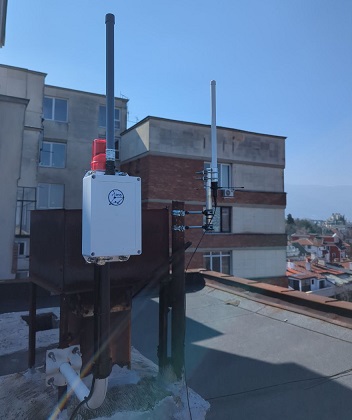
I did consider building the thing as I would in general, cabinet and all the shenanigans, but doing it like this, vertically on my desk, has allowed for unprecedented access and development ease for the nodes. And my steampunk-y self actually likes it...
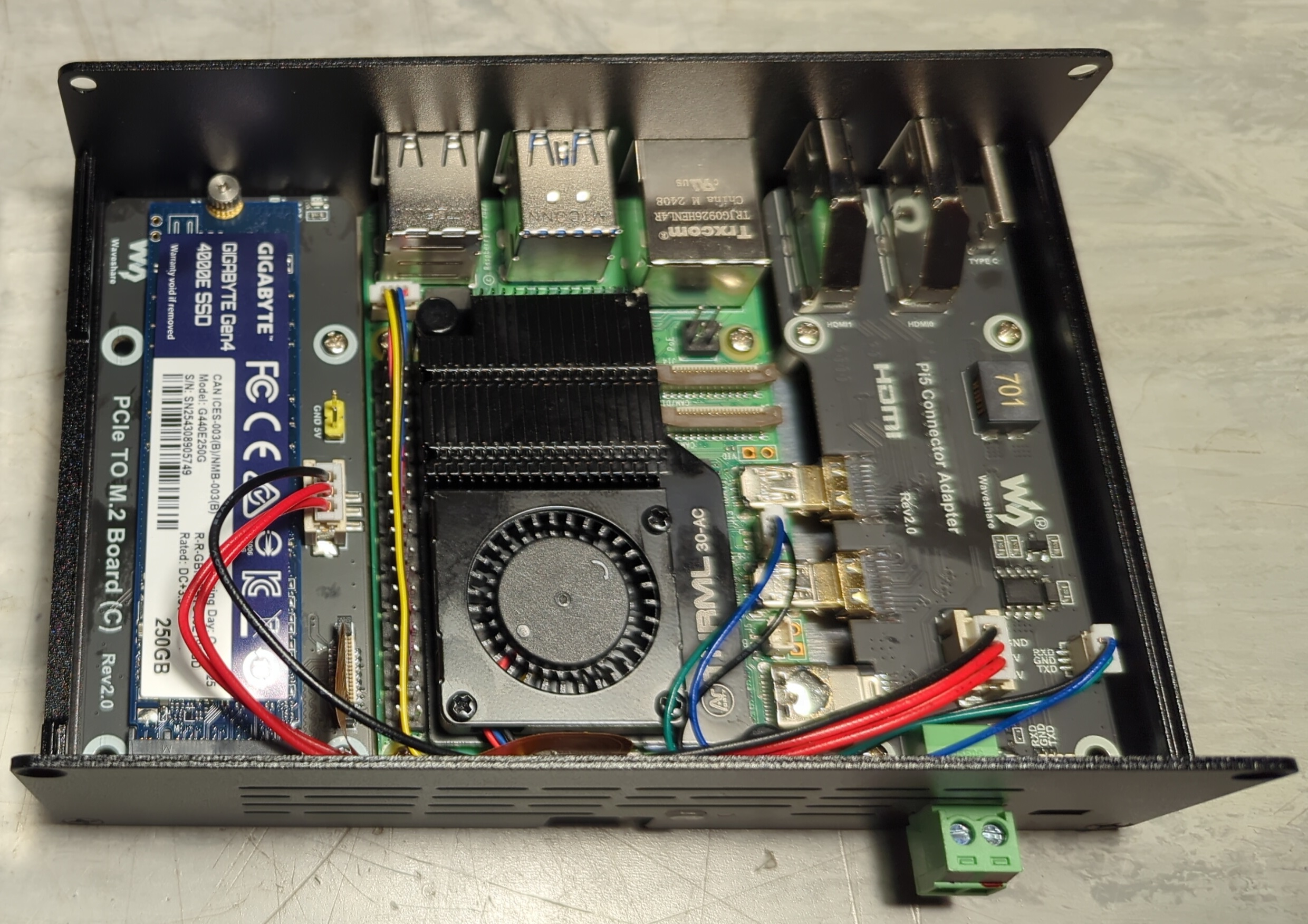
Server coming together. I like this box! Hey, why is this sideways...
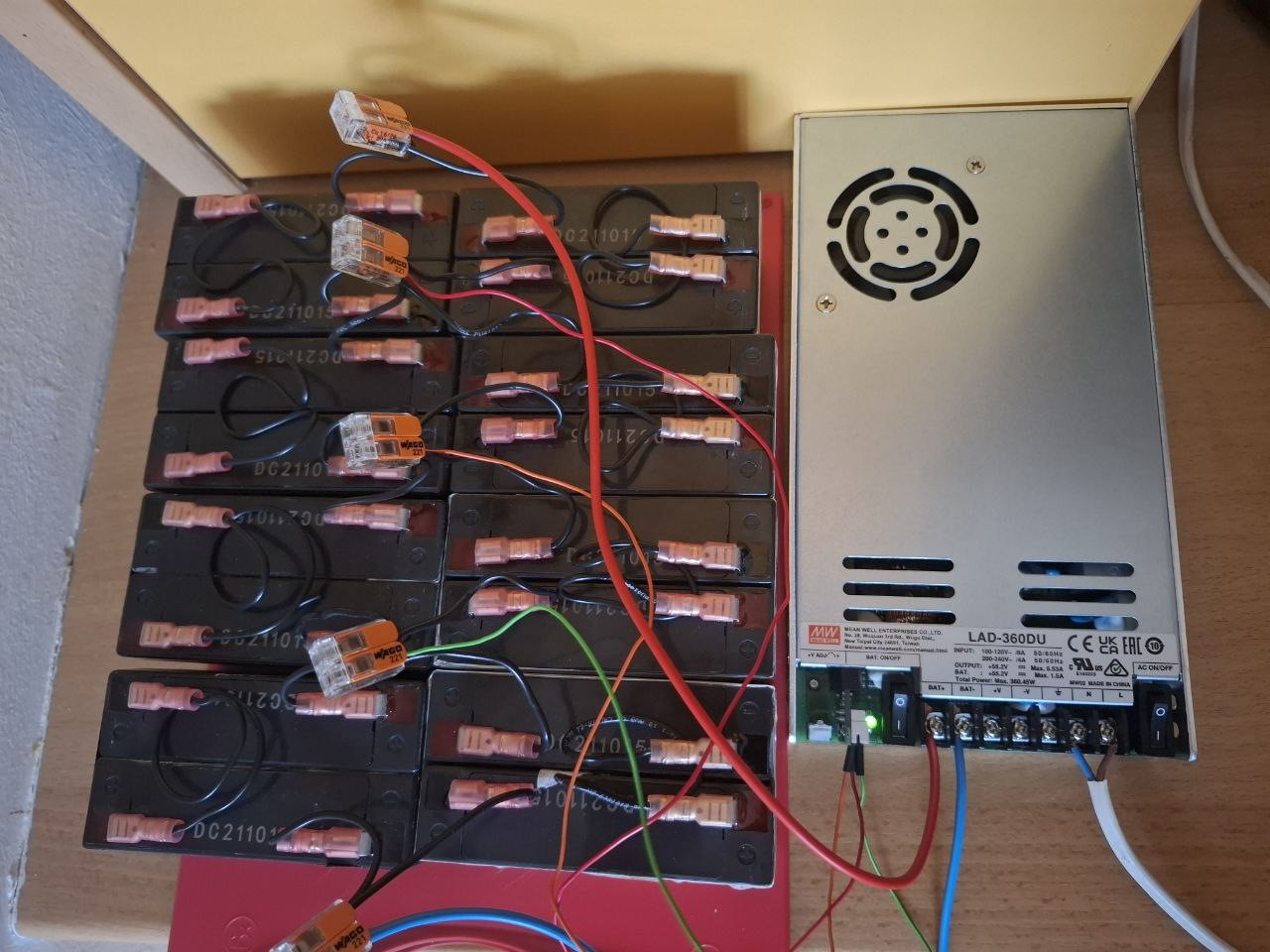
LAD360D under test charge. It also watches every 12V group and can report battery status and much more over serial.
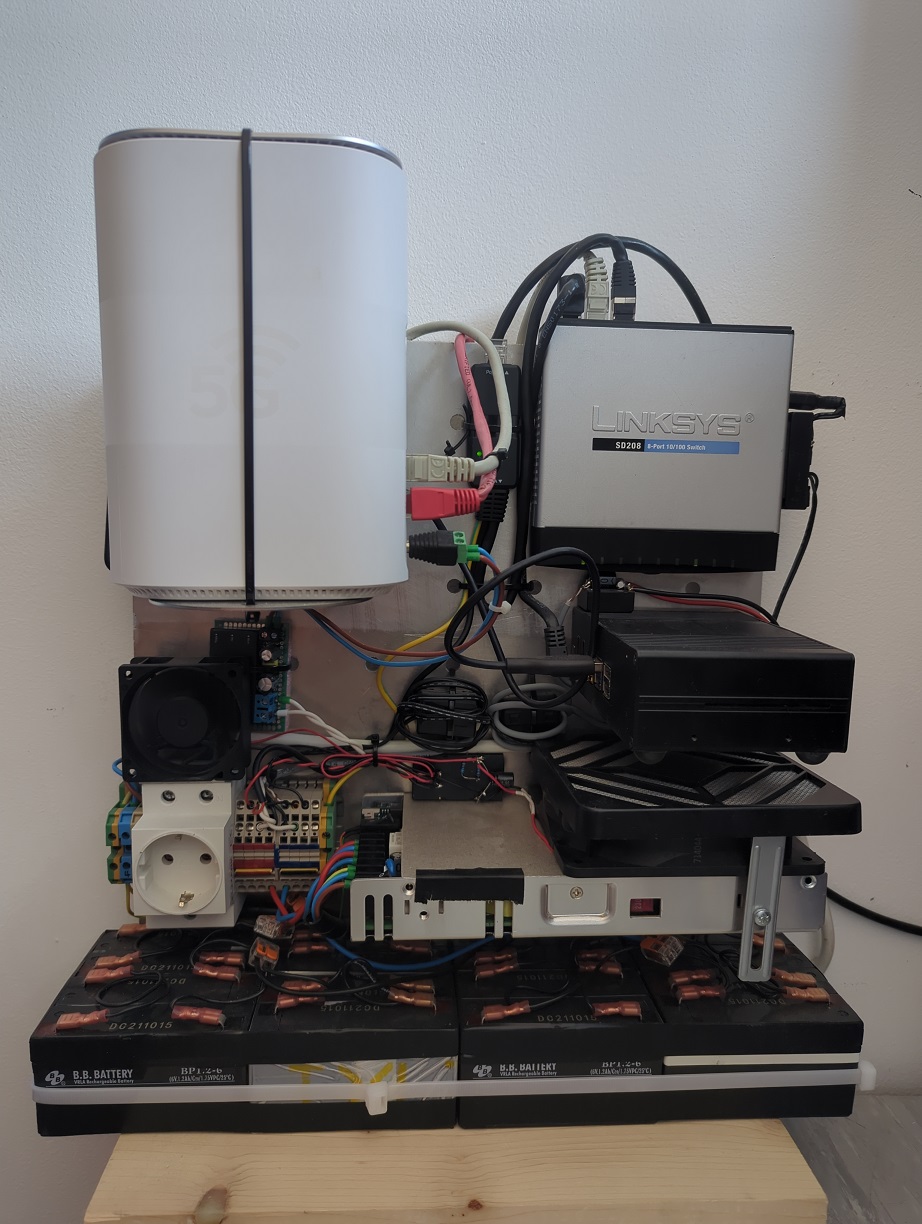
In all it's vertical glory... :D I have a spare mains power outlet, I always put these if possible, and I have used it a million times already, and to the right of it are the 48V DC WAGO headers, that distribute to POL SMPS's and allow me to power aethernodes on the bench with the exact power, that they will get, when installed on site. Always strive to test devices in as real of a condition, as you can.
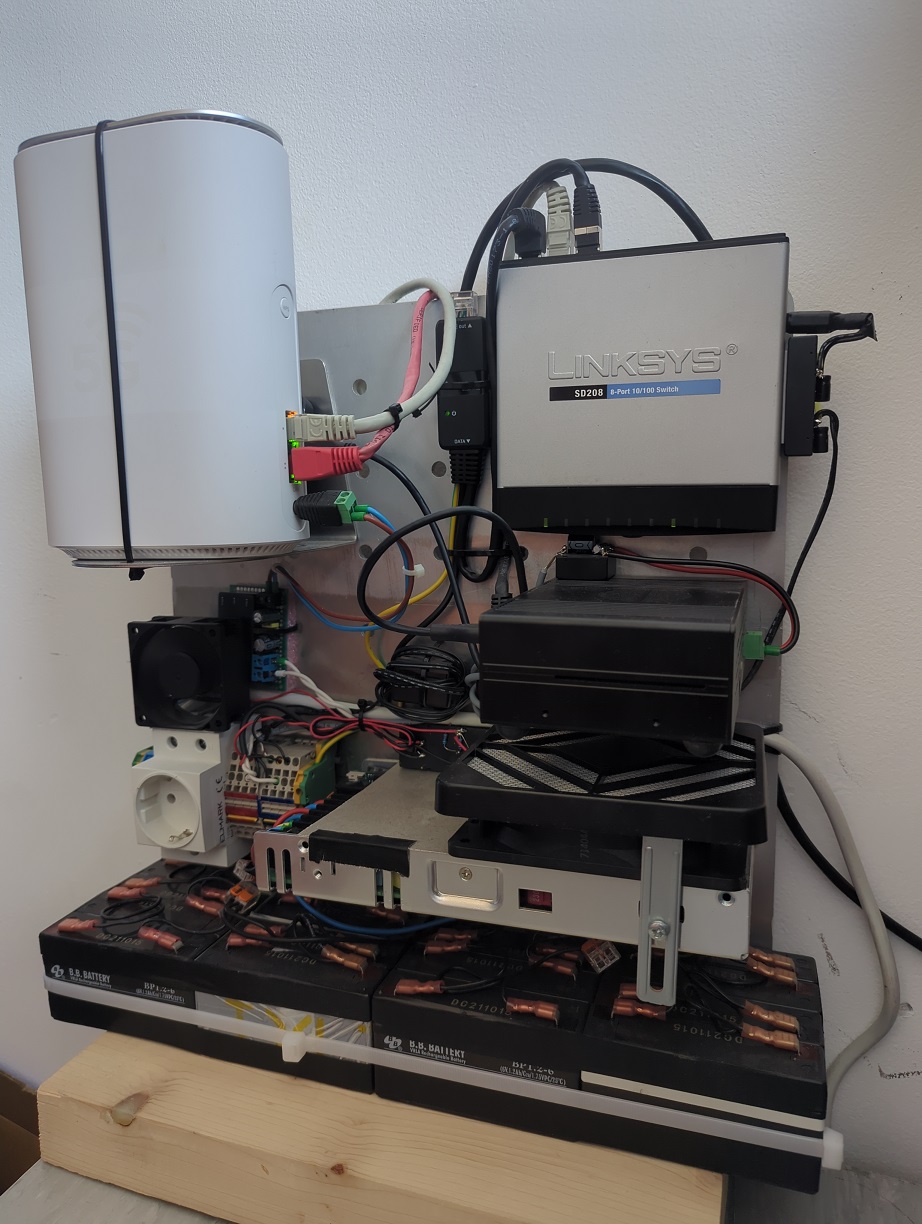
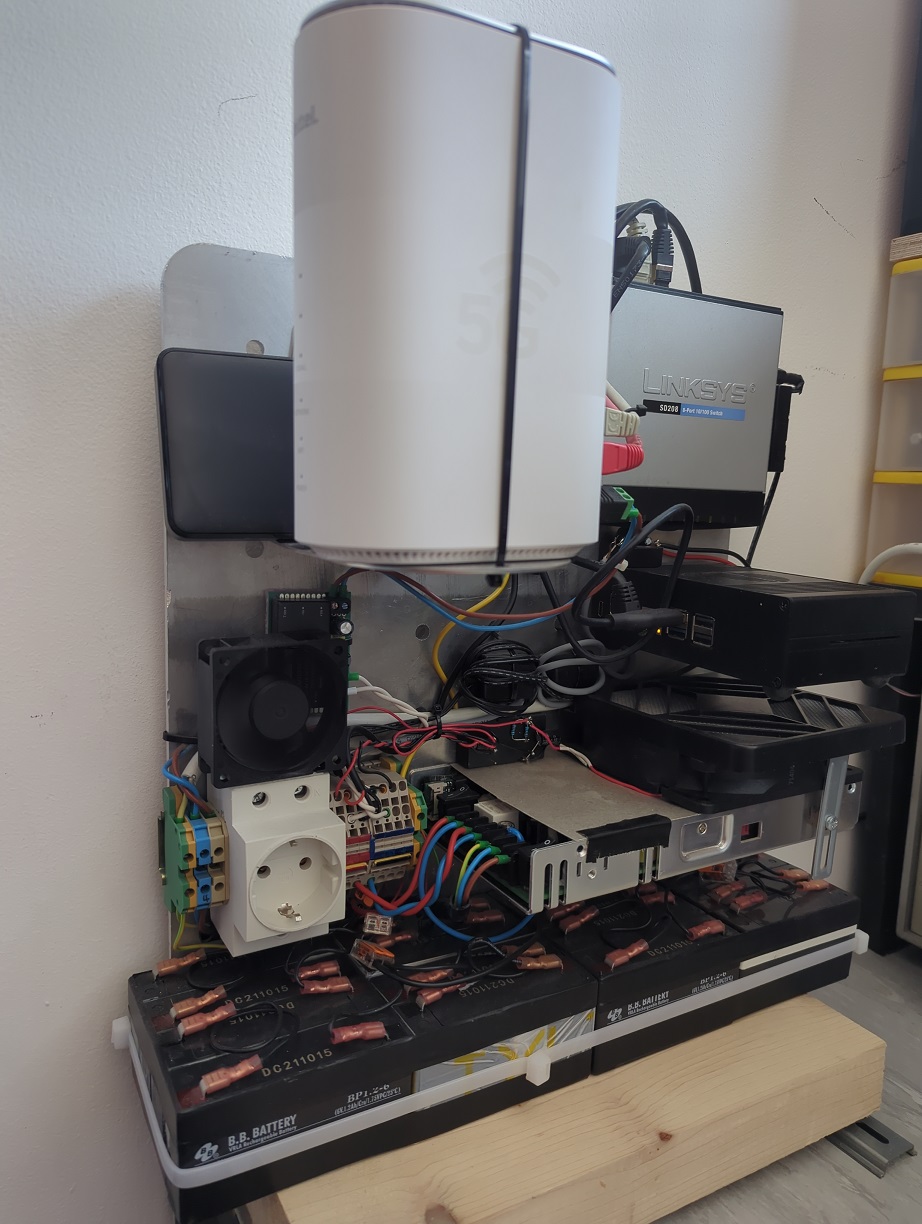
The LAD360D got it's top cover removed and replaced. It held a noisy high-speed fan, that ran when the PS decided, which is not OK for such a setup. The plate, covering the left side is silica. It was replaced with a wide 24V fan, that now runs at around 8VDC, quietly and 24h, together with the small fan for the router DCDC module on the left. 48VDC power to the server and switch goes trough very high permeability ferrite clamps, so the input-side switching noise does not get injected up to Sofia1. A bit overkill, but meh, I had them, I put them.
And this is rns.sofia for you!
Bill/aetherlab/LZ1SWE